
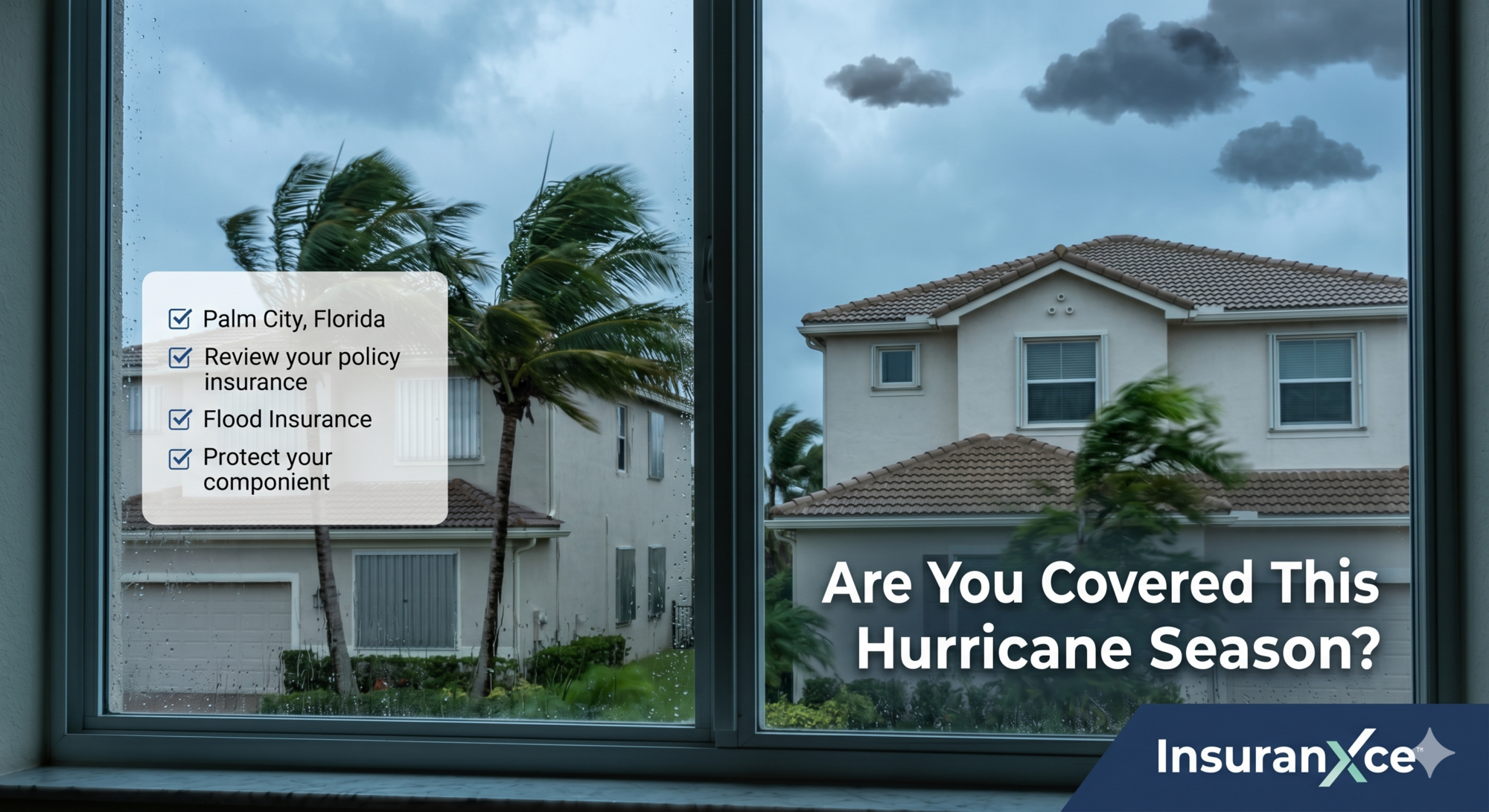
Atlantic hurricane season officially begins on June 1. While meteorologists are busy analyzing data and predicting how many named storms we might face this year, your main focus should be on one simple question: Is your property actually protected?
When a storm is brewing in the ocean, it’s already too late to change your insurance coverage. Most insurance providers place a moratorium on policy updates or new sign-ups the moment a tropical storm watch or warning is issued for your area.
By taking action now, you can face the upcoming season with confidence rather than anxiety. Review this essential hurricane checklist to ensure your home, belongings, and wallet are secure before the skies turn grey.
1. Confirm Your Windstorm and Hurricane Deductible
Did you know that hurricane damage often carries a completely different deductible than standard claims?
-
Standard deductibles are usually a flat dollar amount (like $1,000).
-
Hurricane deductibles are often calculated as a percentage of your home’s total insured value—usually anywhere from 2% to 10%.
If your home is insured for $400,000, a 5% hurricane deductible means you will need to pay $20,000 out of pocket before your insurance coverage kicks in. Check your policy declaration page today so there are no surprises later.
2. Separate Myth from Fact: Flood Insurance
This is the single biggest misconception in the insurance industry: “My homeowners policy covers hurricane damage, so I’m covered for water damage.”
The Golden Rule of Storm Damage: Standard homeowners insurance typically covers wind damage (like a roof lifting off) and wind-driven rain. It almost never covers rising groundwater or storm surges.
90% of all natural disasters involve some form of flooding. If a storm surge pushes water into your living room, you need a separate Flood Insurance policy (through the NFIP or a private insurer) to cover the damage.
Note: Flood insurance policies usually have a strict 30-day waiting period before they become active. Waiting until August to buy a policy is a gamble you don’t want to take.
3. Review Your Additional Living Expenses (ALE)
If a major hurricane damages your home to the point where it is unlivable, where will you stay? Renting a comparable home or staying in a hotel for months while your house is rebuilt can devastate your savings.
Check the Additional Living Expenses (ALE) section of your policy. Ensure your limits are high enough to cover today’s inflated costs of temporary housing and dining out.
4. Take a 10-Minute Digital Home Inventory
Filing a claim after a disaster is stressful, but proving what you owned shouldn’t be.
-
Walk through your home with your smartphone and record a slow, high-definition video of every room.
-
Open drawers, closets, and cabinets.
-
Narrate the video to mention brand names or serial numbers for high-value electronics and appliances.
-
Back this video up to a cloud service immediately. If your phone is lost or damaged in a storm, your inventory will still be safely accessible from anywhere.
Secure Your Peace of Mind Today
Hurricane preparedness isn’t just about stocking up on bottled water and plywood—it’s about making sure your financial foundation can withstand the storm.
Don’t wait until a system is named. Reach out to our team at Insuranxce this week. We’ll look over your current policies, identify any hidden gaps in coverage, and make sure you have the exact protection you need to weather whatever this season brings.
Want a quick, no-obligation review of your current homeowners or flood policy? Contact an Insuranxce agent today or drop us a message below!